
OUR IMPACT
-
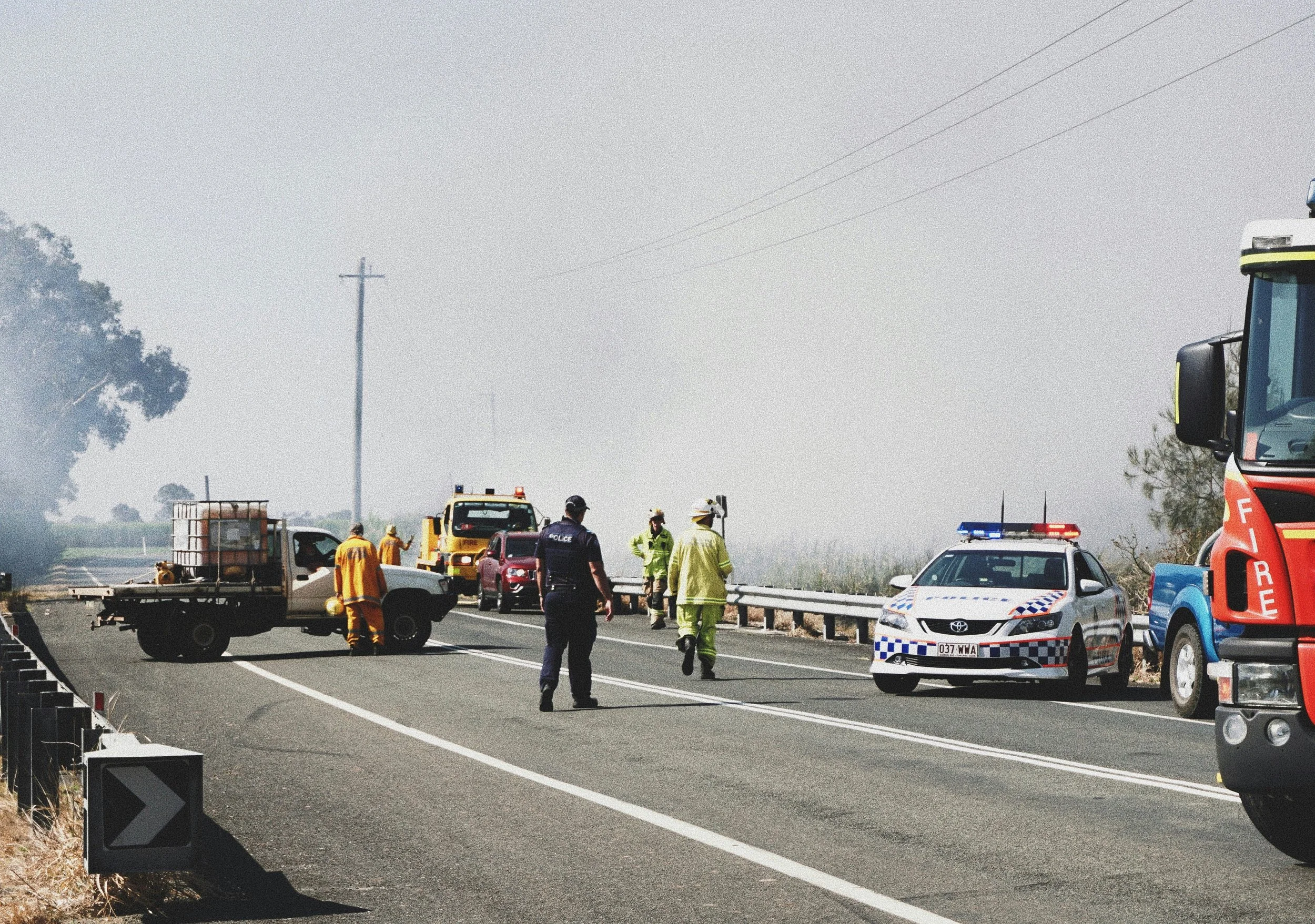
Enhancing Innovation and Research Uptake in Disaster Risk Reduction
We have been commissioned by Natural Hazards Research Australia (NHRA) — the nation’s leading centre for disaster resilience research and collaboration — to deliver a four-month applied study on strengthening innovation and evidence uptake in the disaster risk reduction (DRR) sector.Wayfare is developing diagnostic and measurement tools to assess innovation capability, conducting national surveys and key informant interviews, and co-creating a strategic roadmap to accelerate research utilisation. The project integrates First Nations knowledge systems and participatory learning methods to ensure that innovation in DRR reflects the diversity and resilience of Australian communities.
Partner: Natural Hazards Research Australia (NHRA) · Region: Australia-wide · Theme: Innovation Systems for Disaster Risk Reduction
-
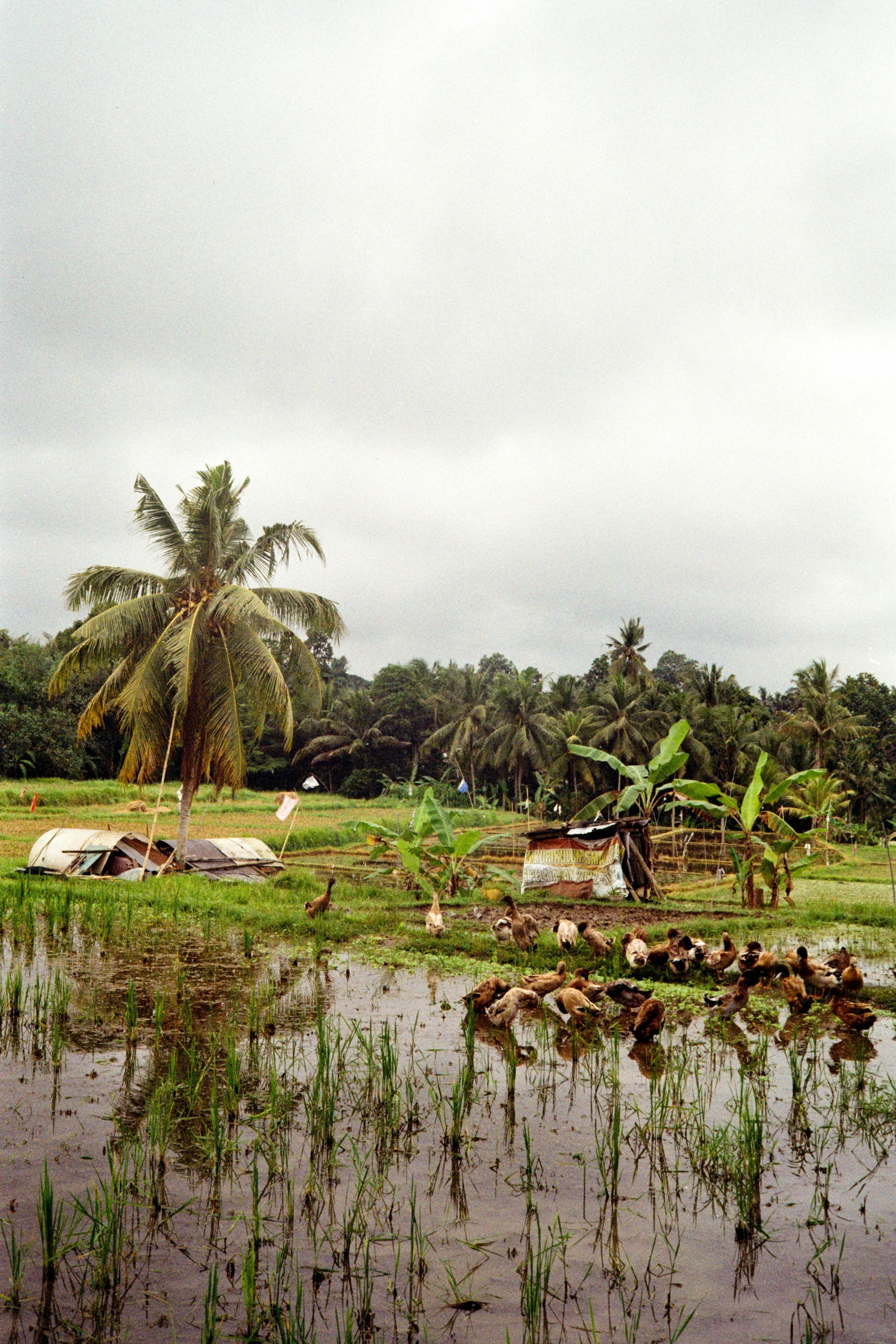
Indo-Pacific Climate Resilient Development Analysis
Wayfare Consulting has been commissioned by World Vision Australia (WVA) to lead a regional climate-security analysis. The engagement supports WVA’s growing focus on climate-resilient development and aims to demonstrate where targeted aid investments can deliver measurable risk-reduction outcomes aligned with Australia’s regional policy priorities.Through extensive fieldwork and systems-based analysis, Wayfare will develop country-specific diagnostic snapshots, options papers, and government engagement briefs showing how climate action, peacebuilding, and development can reinforce each other in fragile settings. The project also includes a policy pitch deck and a facilitated “teach-in” for WVA teams to strengthen internal learning and uptake.
Partner: World Vision Australia (WVA) · Region: Indo-Pacific· Theme: Climate Security & Resilient Development
-

Measuring Culture-Based Climate Adaptation
We are currently working with Preserving Legacies and ICLEI to develop the first Monitoring, Evaluation, and Learning Toolkit for culture-based resilience and adaptation. The project addresses a critical gap in how cultural heritage contributes to climate resilience—helping communities track, evaluate, and amplify the impact of locally led, culturally grounded adaptation efforts. The toolkit is being co-developed and trialled with communities across Africa and the U.S., and will be launched as an open-source resource through the Heritage Adapts platform ahead of COP31.
Partner: Preserving Legacies & ICLEI · Region: Global South & U.S. · Theme: MEL for Culture-Based Climate Adaptation -
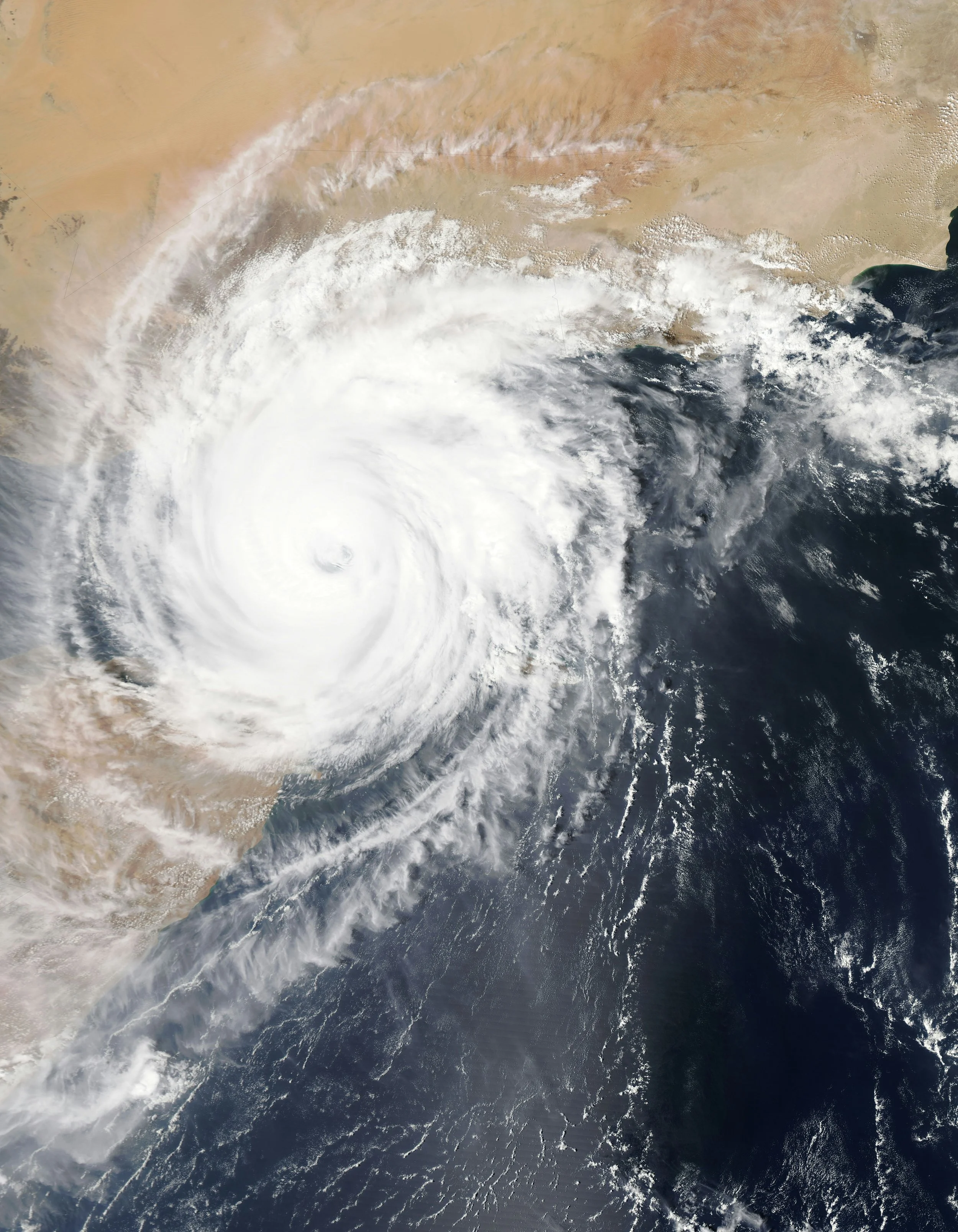
Climate–Security Scenario Assessment to 2035
We have been commissioned by the ASPI Climate and Security Policy Centre, in partnership with the Department of Foreign Affairs and Trade (DFAT), to deliver a climate–security scenario assessment to 2035. The assessment is designed to directly inform DFAT decision-making by generating decision-ready insights on the compound climate–security pathways most likely to shape the strategic environment over the coming decade.
Through expert consultation, scenario-based analysis, and stress-tested pathway modelling, Wayfare is identifying the preparedness gaps, escalation signposts, and strategic intervention points most relevant to Australia's diplomatic, development, and regional security objectives. Partner: ASPI& DFAT · Region: Indo-Pacific · Theme: Climate Security & Strategic Risk
-

Conservation in Fragile Contexts
We are currently supporting WWF International to develop a new manual on conflict sensitive conservation, building on prior efforts and aligning with network-wide frameworks. The work responds to the growing recognition of how environmental degradation, fragility, and insecurity intersect in WWF’s areas of operation. Through extensive consultation and applied analysis, we are producing a practical framework and toolset to guide WWF teams in fragile and conflict-affected contexts. The manual will include step-by-step guidance, simplified tools, and resources—such as case studies and infographics—to help embed conflict sensitivity across conservation planning, operations, MEL, and advocacy.
Partner: WWF International · Region: Global FCAS · Theme: Conflict Sensitivity in Conservation -
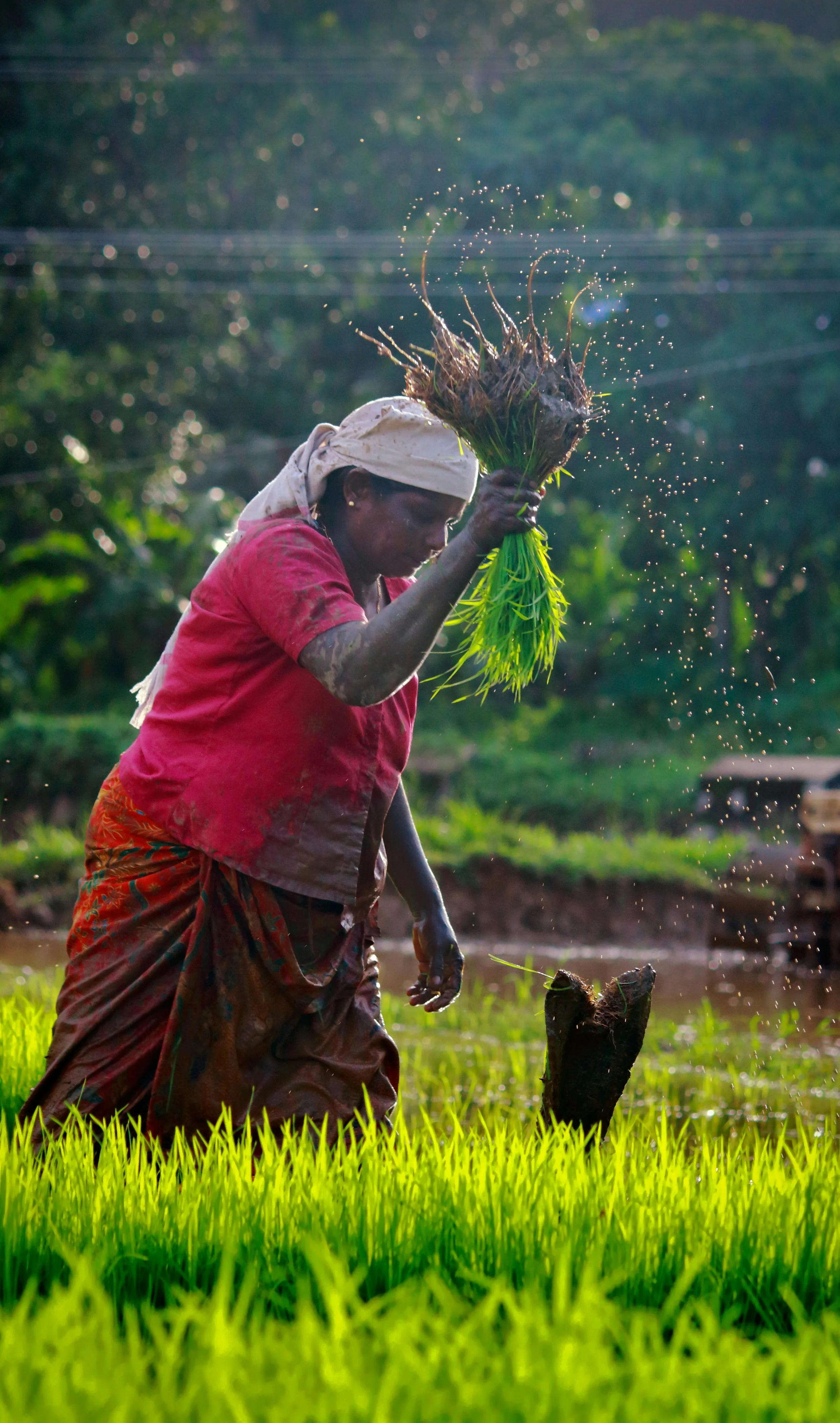
The Gender, Climate & Conflict Nexus
In partnership with Oxfam, we developed a guidance framework to address the intersecting risks of gender inequality, climate change, and conflict in fragile settings. Using systems thinking, the project combined feminist and decolonial approaches with tools like feedback loop mapping and participatory diagrams. Case studies from Somalia and Ethiopia illustrated how exclusion from governance and resource scarcity reinforced cycles of vulnerability. The guidance strengthened Oxfam’s Rights, Resilience & Response framework and offered practical strategies for inclusive, transformative programming.
Partner: Oxfam · Region: Global South · Theme: Systems Thinking for Climate Justice -

Climate Adaptation in Fragile and Conflict-Affected Situations in Asia
Working with the Asia Foundation, we are leading a pioneering study that explores how targeted, conflict-sensitive adaptation strategies can strengthen resilience in the world’s most vulnerable regions. The research identifies key barriers to adaptation in fragile contexts and proposes actionable solutions across governance, finance, gender, and innovation.
Partner: The Asia Foundation · Region: Asia · Theme: Climate Adaptation in FCAS -

Humanitarian Action in Climate-Affected Situations
We worked with the IRC to strengthen humanitarian action in contexts facing overlapping climate, conflict, and fragility risks. Our analysis highlighted the need for adaptive management, conflict sensitivity, and integrated risk approaches in complex crisis environments. Recommendations included anticipatory action, localization, and treating the environment as a humanitarian client to better navigate cascading risks.
Partner: International Rescue Committee (IRC) · Region: Global · Theme: Humanitarian Action in Complex Crises -
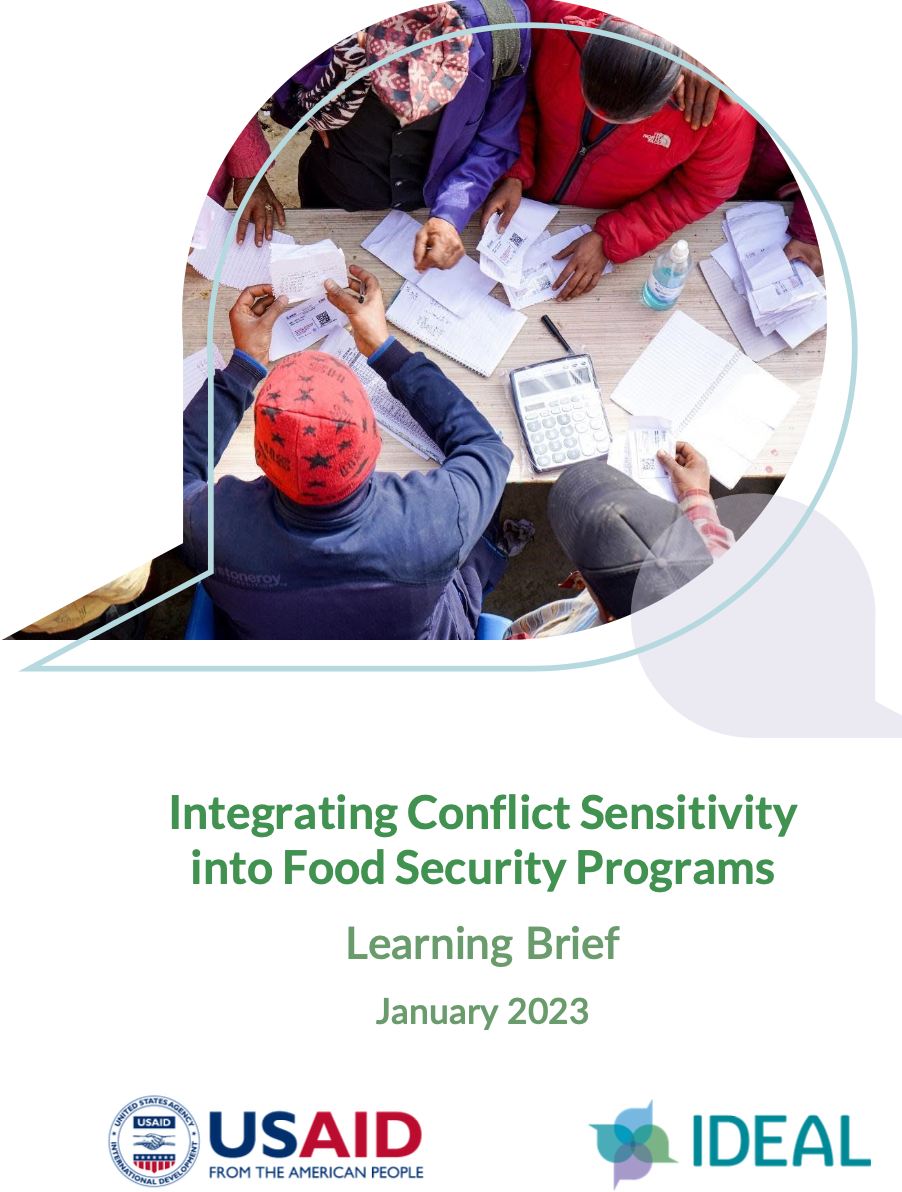
Conflict Sensitivity in Food Security Programming
We partnered with USAID to examine how food security programs can better navigate conflict dynamics in fragile and contested environments. The learning brief synthesized field insights and identified practical entry points for integrating conflict sensitivity across program cycles. Recommendations included early conflict analysis, adaptive management, inclusive targeting, and conflict-aware monitoring to avoid harm and enhance resilience.
Partner: USAID · Region: Global · Theme: Conflict Sensitivity in Food Security